New Gallery Exhibition Opens in Dublin’s Cultural Quarter
Local and international artists showcase works exploring contemporary themes in an inspiring modern space.
Read MoreLocal storytellers gather monthly to share folklore, family histories, and traditional tales in intimate community settings
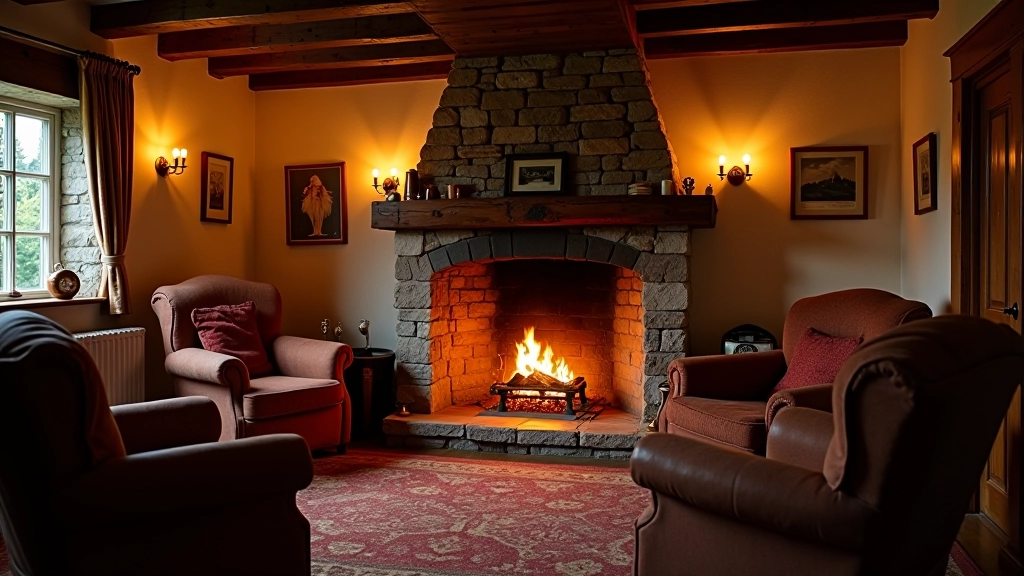
After a quiet few years, the traditional storytelling gatherings that once defined winter evenings in County Clare are making a comeback. These aren’t formal performances on stages — they’re intimate gatherings where locals and visitors settle into cozy rooms with tea and listen to stories passed down through generations.
The revival started small. A group of retired teachers, farmers, and community elders realized something important was slipping away. Young people weren’t hearing the old tales anymore. Families weren’t gathering to share their histories. So they decided to bring it back, one story at a time.
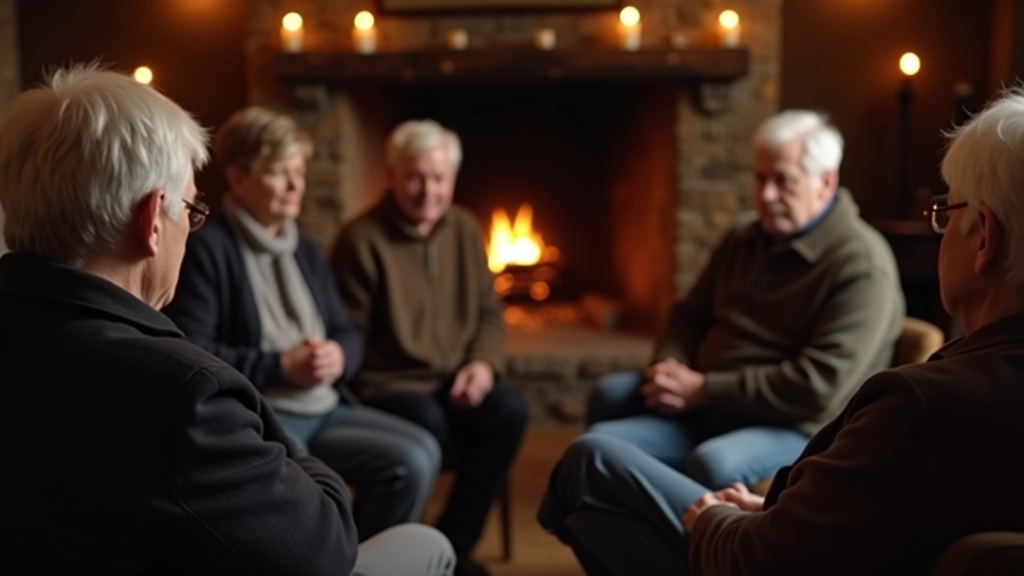
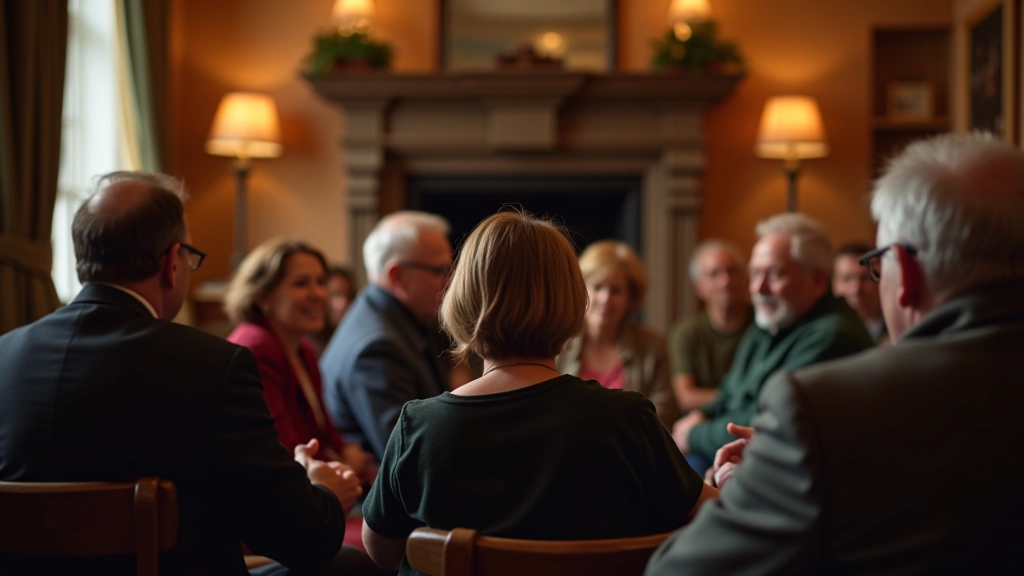
These gatherings follow a simple rhythm. You arrive around 7 in the evening, usually at a community center, library, or someone’s home. There’s tea and homemade brown bread waiting. People settle into chairs — no assigned seats, no formality.
One of the storytellers will begin. They’re not reading from scripts. They’re telling stories they’ve heard since childhood, adding their own details and timing. Some tales are funny — you’ll hear real laughter. Others are mysterious or a bit spooky. The best part? It’s not a performance. It’s conversation, just with one person doing most of the talking while everyone else leans in.
After each story, there’s discussion. People share their own memories or versions of the same tale. Someone mentions their grandmother told it differently. This is where the real magic happens. That’s storytelling.
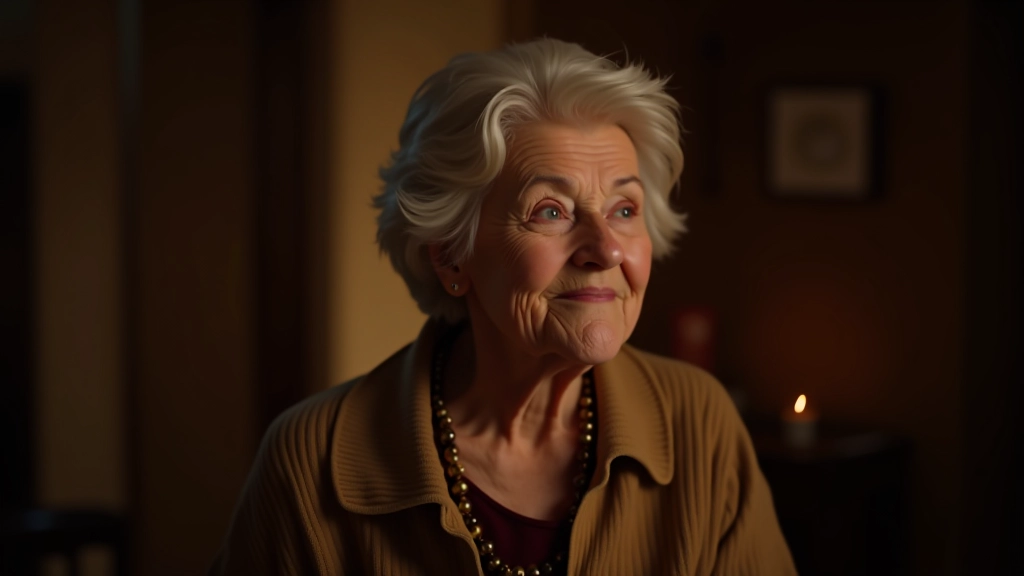

The stories themselves vary widely. Some are folklore — tales about fairies, selkies, and the old magic that supposedly lived in Irish landscape. These aren’t meant to be believed literally. They’re teaching stories, entertainment, and cultural memory all wrapped together.
But the most powerful stories are often the personal ones. One evening, a man in his seventies talked for nearly an hour about his grandfather’s journey during the famine, how the family survived, and what was lost. Another night, someone shared detailed memories of village life in the 1950s — what school was like, how people worked, the rhythms of seasons.
Family histories matter. They’re not in any textbook, but they’re how communities understand themselves. These evenings preserve that knowledge.
Monthly gatherings happen on the second Friday of each month. The venue rotates between different community spaces — libraries, community centers, and private homes. This keeps things fresh and helps different areas participate.
March through October are the main months. During winter, gatherings become more frequent because evenings are longer and people naturally gather more. You’ll find announcements in local papers, on community boards, and increasingly through social media groups focused on County Clare heritage.
Sessions usually run from 7 to 9 in the evening, though conversations often continue afterward over tea. There’s no charge to attend. Everyone’s welcome — locals and visitors, young and old, whether you’re there to listen or hoping to share your own story.

There’s something happening in County Clare that you won’t find on the internet. It’s oral culture — knowledge and stories shared directly from person to person. That’s how humans learned for thousands of years before writing. It’s not outdated. It’s essential.
When you listen to someone tell a story they’ve heard since childhood, you’re not just hearing words. You’re connecting to history, to place, to identity. You’re learning how people in this community see themselves. You’re part of something continuous.
For young people especially, these gatherings are revealing. They meet older community members as people with knowledge and memory, not just as background figures. The stories help explain why places look the way they do, why certain families live certain ways, what events shaped the community they’re growing up in.
“My kids had no idea what their great-grandmother’s life was actually like until they heard the stories. Now they get it. They understand where they’re from.”
— Aoife, parent attending regularly
You don’t need to be from County Clare to attend. You don’t need to be Irish. You don’t need to have stories prepared. Just show up.
Check local community boards, libraries, or search for “County Clare storytelling evenings” online. Word of mouth works too — locals know where to find them.
Your first evening, you’re there to listen. Sit with tea, settle in, and let the stories wash over you. There’s no pressure to participate immediately.
As you become comfortable, you might share a memory or ask questions. The community is welcoming to new voices. Your story matters too.
Traditional storytelling evenings in County Clare represent something bigger than entertainment. They’re a conscious choice to slow down, to listen, and to value human memory and experience. In a time when so much information flows through screens, there’s something powerful about stories shared face-to-face in a warm room.
These gatherings won’t make anyone famous. They won’t trend on social media. But they’re doing something quieter and more lasting — they’re keeping communities connected to their own histories, and they’re proving that people still want genuine connection.
If you’re visiting County Clare or live there, consider attending one. Bring a notebook if you want. Bring curiosity. Most of all, bring an openness to being transported by stories. That’s what these evenings are really about.
Want to learn more about arts and heritage events in Ireland?
Explore More EventsThis article is informational and educational in nature. Details about storytelling gatherings, schedules, and locations are based on community reports as of March 2026. Specific dates, venues, and event details may change. We recommend contacting local County Clare community centers, libraries, or searching for current announcements to confirm event information before attending. Gatherings are typically free and open to the public, but it’s always good to verify details with organizers.