New Gallery Exhibition Opens in Dublin’s Cultural Quarter
Local and international artists showcase works exploring contemporary themes in a newly renovated gallery space featuring three exhibition halls and interactive displays.
Read MoreFour Thursday evenings exploring monastic life, Celtic manuscripts, and architectural heritage with expert historians and Q&A sessions included.
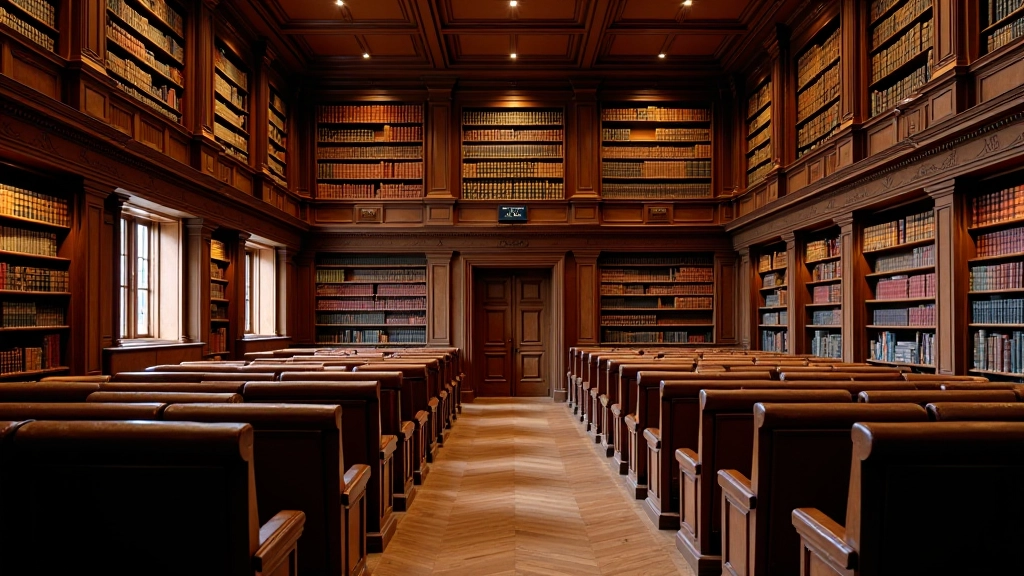
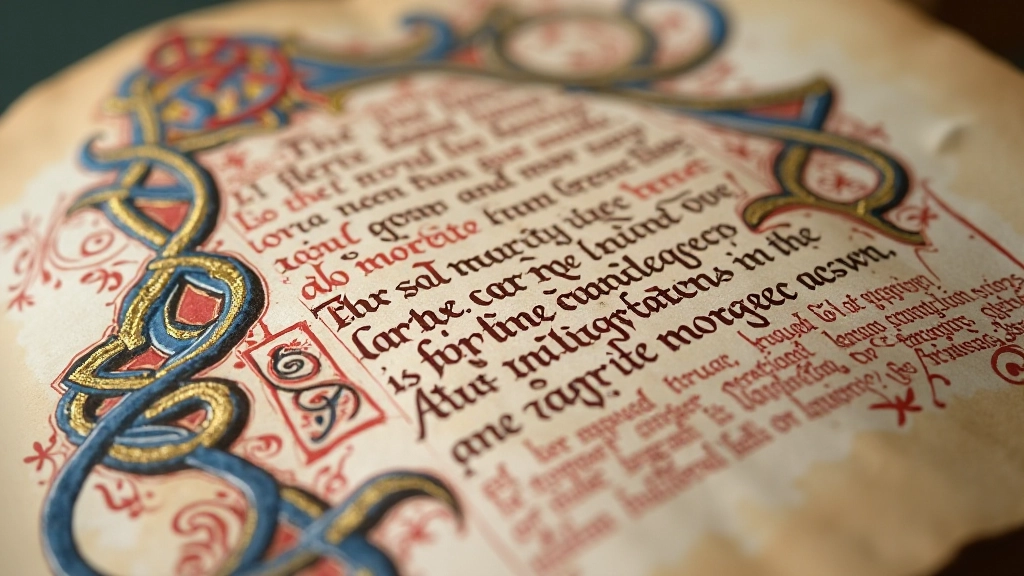
Ireland’s monasteries weren’t just religious centers—they were thriving centers of learning, art, and innovation that shaped European civilization. Monks preserved ancient texts, created illuminated manuscripts like the Book of Kells, and developed architectural techniques that still inspire architects today. This lecture series brings together historians and heritage specialists to explore the real lives of medieval monks, the daily rhythms of monastic communities, and the remarkable legacy they’ve left us.
Whether you’re fascinated by Irish history, medieval art, or spiritual traditions, you’ll find plenty to engage with. The speakers have spent years researching monastic life through archaeological evidence, surviving documents, and architectural analysis. Each evening includes time for questions—it’s not a one-way presentation, but a genuine conversation about how these communities worked and why they matter.
The series runs over four consecutive Thursday evenings, each building on the previous one but also standing alone if you can’t attend every session. Sessions start at 7:30 PM with refreshments from 7:15—there’s something nice about settling in with tea before diving into history.
Evening One: Daily Life Behind Stone Walls explores what monks actually did from sunrise to sunset. Not the spiritual side necessarily, but the practical reality—how they organized their time, what they ate, how they managed agricultural land, and how monastic communities functioned as complex organizations. It’s more grounded than you’d expect.
Evening Two: Scribes and the Art of Manuscripts focuses on the incredible work of creating illuminated manuscripts. You’ll learn about the materials they used, the techniques for gold leaf application, and why monks spent months on single pages. We’ll examine high-resolution images of actual manuscripts and understand how this work connected to their spiritual practice.
The remaining two evenings dive into architecture and the broader influence monasteries had on Irish society and medieval Europe. Each session has dedicated Q&A time—bring your questions, no matter how specific.
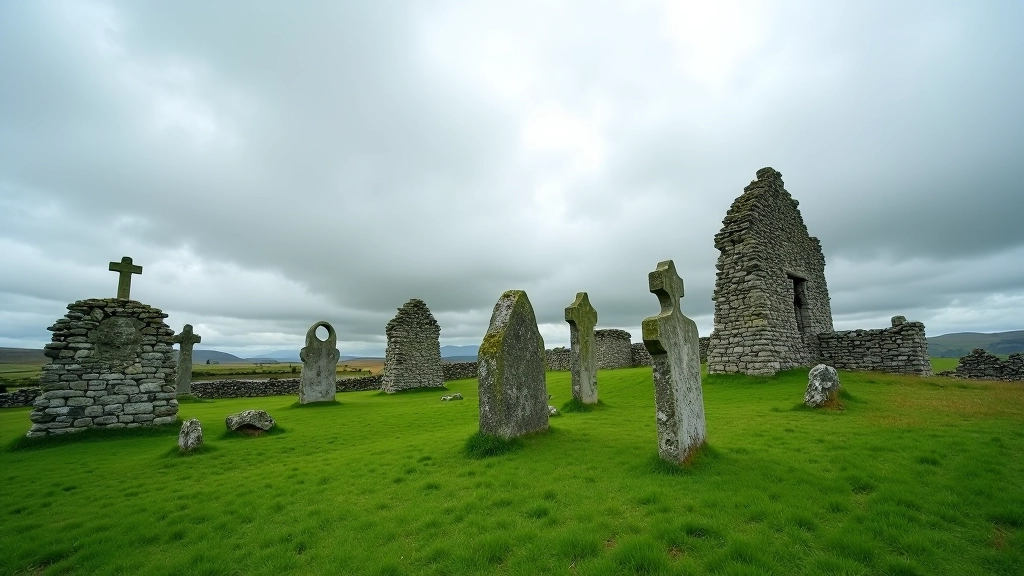
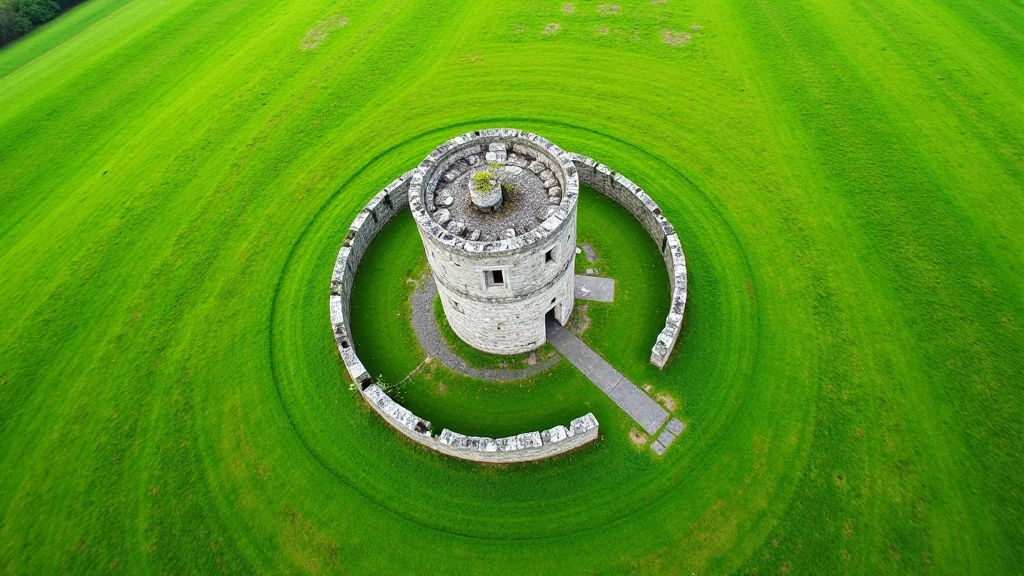
People often picture monasteries as massive structures, but Ireland’s monastic landscape was surprisingly varied. Some were sprawling complexes with dozens of buildings; others were small communities on remote islands. The lecture series explores this diversity through specific case studies—Clonmacnoise with its impressive tower, Skellig Michael perched on rocky heights, Glenveagh in Donegal, and lesser-known sites that reveal different approaches to monastic organization.
What’s fascinating is how monasteries adapted to their environments. A monastery on the coast developed different economic strategies than one inland. A hilltop monastery had different defensive considerations than a valley settlement. The speakers will show how archaeological evidence, building styles, and surviving documents tell us about these distinct communities and their innovations.
You’ll also learn how Irish monasteries influenced monastic movements across Europe. Irish monks traveled extensively, establishing communities in Scotland, England, and continental Europe. The lecture explores these connections and why Irish monasticism developed its distinctive character—different in many ways from continental models.
Four consecutive Thursday evenings. Sessions run 7:30 PM–9:15 PM with refreshment break included. Early arrival encouraged for seating and casual conversation.
Held in the Heritage Centre Lecture Hall in the cultural quarter. Modern venue with comfortable seating, good acoustics, and accessible facilities. Parking available on-site.
Historians with 15+ years of research experience. Two speakers specialize in medieval manuscripts; one focuses on monastic architecture; another studies daily life through archaeological evidence.
Tea, coffee, and light refreshments provided each evening. Presentation slides and resource lists available. Q&A session after each lecture with no time limits on questions.
Medieval monasteries aren’t just historical artifacts—they’re living heritage that shapes how we understand Irish identity and European civilization. With increased interest in monastic sites as tourist destinations and ongoing archaeological discoveries, there’s never been a better time to understand these communities deeply rather than just visit the ruins.
The series appeals to heritage enthusiasts, history students, architects interested in medieval building techniques, and anyone curious about how communities preserved knowledge before printing existed. The speakers make complex historical material accessible without oversimplifying it. You’ll come away understanding not just facts, but why monasteries matter and how their innovations still influence us.
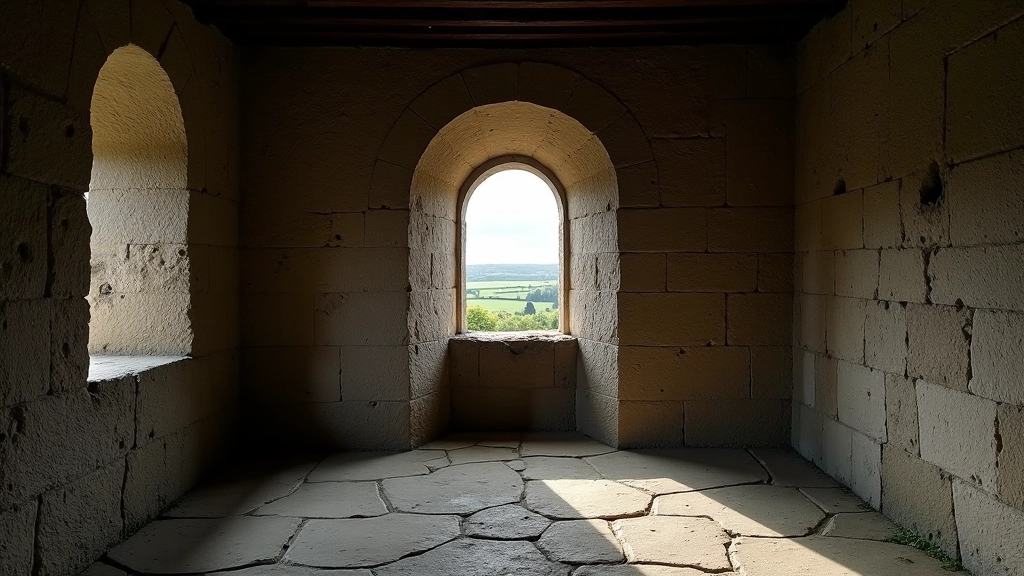
Many attendees find they’re inspired to visit monastic sites afterward with deeper appreciation for what they’re seeing. Understanding the daily rhythms, the artistic sophistication, and the technical achievements transforms how you experience these places.
This series fills quickly given the specialized topic and small group setting. If medieval history, Celtic art, or Irish heritage interests you, don’t wait—the next session begins in March.
Learn More & RegisterDisclaimer: This article provides informational content about the Historical Lecture Series on Medieval Irish Monasteries. The descriptions and details are based on typical lecture series offerings and historical context. Specific dates, speakers, venues, and registration details may vary. We recommend contacting the organizing institution directly for current information, availability, pricing, and registration procedures. Historical interpretations discussed in lectures reflect academic perspectives based on available evidence and may evolve as new research emerges.